
How Can Schools and Educators Reduce Plastic Waste?
Plastic waste is a global environmental crisis, and it's high time for everyone to take responsibility for reducing their plastic footprint. The start of No Plastic July on the first of July is a perfect opportunity to discuss, promote, and raise awareness about how schools and educators can contribute to the fight against plastic waste. In this blog post, we'll explore some

simple yet effective ways schools and educators can reduce plastic waste both inside and outside the classroom.
Use a Reusable Water Bottle: One of the easiest ways to reduce plastic waste is to ditch single-use plastic bottles and opt for reusable water bottles. Encourage students to make filling up their reusable bottles a part of their daily routine.
Encourage Less Plastic in School Lunches: Avoid pre-packaged food by preparing your own lunches in reusable containers. Use beeswax wraps or reusable sandwich wraps instead of cling film, and keep cutlery at hand to avoid using disposable plastic utensils.Ditch the Laminator: Lamination adds plastic to paper, making it less recyclable. Instead of laminating, use reusable plastic pockets for temporary protection, which can be easily replaced when necessary.
Choose Reusables for Class Parties and Events: Reduce plastic waste at class parties by using reusable plates and cutlery. Opt for refillable jugs for drinks, avoiding plastic cartons.
Use Plastic-Free School Supplies: Look for school supplies that come in plastic-free packaging, such as pencils, erasers, and pens. Even some pencils have plastic coatings, so seek 100% plastic-free alternatives.
Staffroom Tea and Coffee: Source milk in returnable and reusable glass bottles. Look for tea bag brands that use eco-friendly materials and promote the use of reusable mugs and cutlery in the staff room.
Use a Tote Bag: Tote bags are versatile and eco-friendly for carrying belongings. They are easy to fold and take with you wherever you go, making them a practical addition to your school bag.
Repurpose Packaging: Consider repurposing packaging to create new classroom supplies instead of buying new ones. Milk cartons, yogurt containers, and hand wash containers can all be creatively reused.
Use Recycled Materials for Art Projects: Encourage students to get creative with repurposed materials. Plastic water bottles can be transformed into vases, pencil holders, sculptures, or even musical instruments.
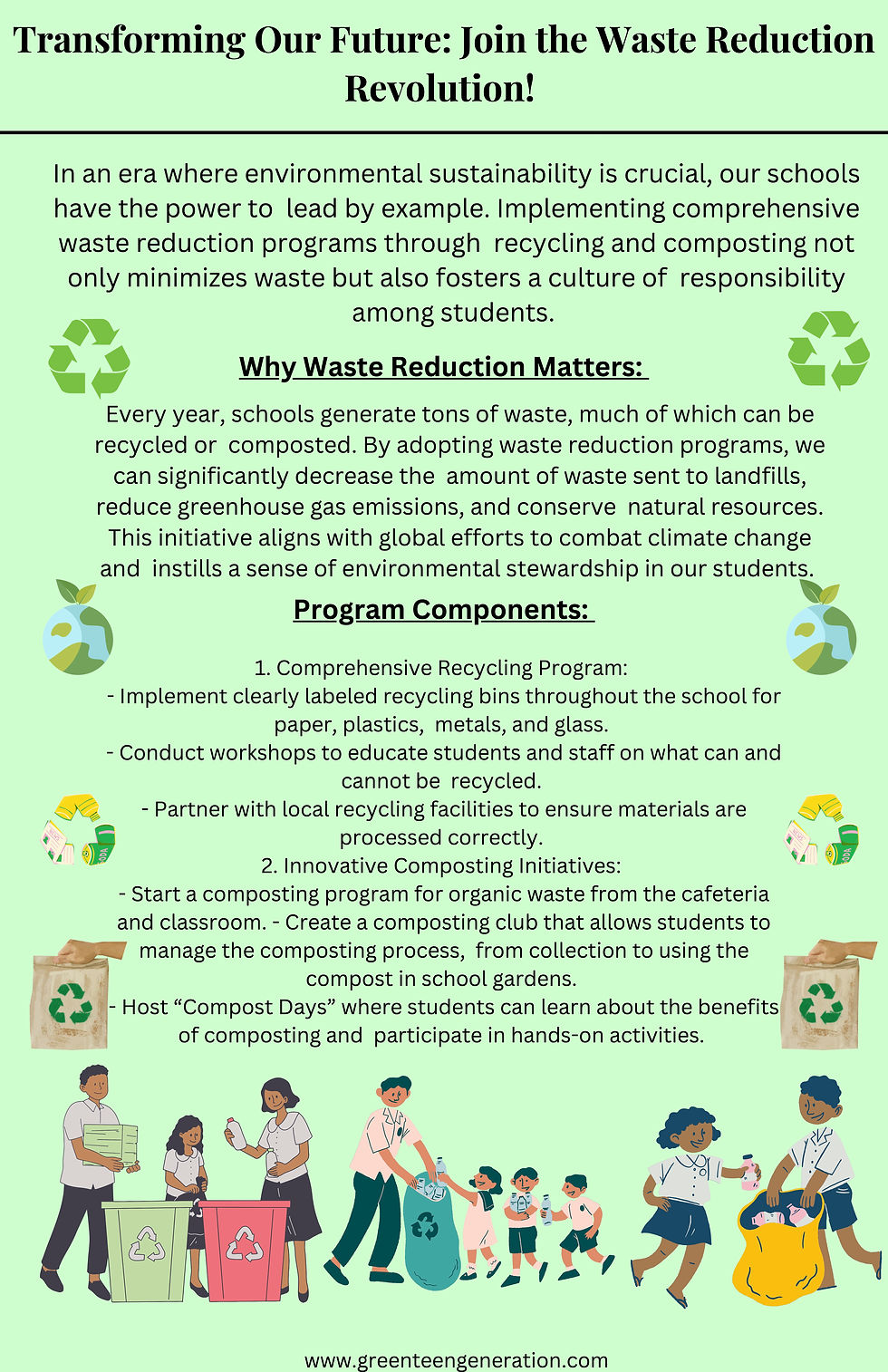
Make Recycling Easier: Place recycling bins in accessible areas such as next to printers and photocopiers, classrooms, and staff rooms. Use clear posters and signs to encourage proper recycling practices.
Provide Guidance to Parents: Collaborate with parents and children to promote eco-friendly school lunches. Spread the message that your school is committed to environmental sustainability.
Educate Children About Plastic Waste: Teaching children about the importance of recycling and the impact of plastic on the environment is crucial. Utilize educational resources and engage students in discussions about reducing plastic waste.
Conclusion: Reducing plastic waste in schools and classrooms is an important step toward a more sustainable future. By implementing these simple yet effective strategies, schools and educators can inspire positive change and instill a sense of environmental responsibility in the next generation. Together, we can make a significant difference in the fight against plastic waste and create a cleaner, greener world for all.


Comments